

Healthcare does not end when a patient leaves the hospital. Many people continue treatment at home. They rely on equipment that supports recovery, mobility, and daily care. This is where specialized suppliers enter the picture.
A large part of modern home care depends on medical devices designed for long term use. These devices help patients live safely and independently. Companies that supply these products form an important link between doctors, insurance providers, and patients.
Many entrepreneurs and patients ask the same question before exploring this industry. What is a DME Company and what role does it play in healthcare delivery?
Understanding this business helps patients access proper equipment and helps entrepreneurs explore a growing healthcare sector.
Understanding Durable Medical Equipment
Durable medical equipment refers to medical devices that patients use repeatedly for long periods. Doctors prescribe these items to support treatment at home. The equipment must be strong, reliable, and medically necessary.
Common examples include wheelchairs, hospital beds, walkers, oxygen concentrators, and CPAP machines. These tools assist patients with mobility, breathing, and daily activities.
Patients recovering from surgery often need temporary equipment. People living with chronic illness may depend on these devices every day.
Healthcare providers prescribe equipment after evaluating a patient’s medical condition. The prescription confirms that the device is required for treatment or recovery.
A Durable Medical Equipment Company supplies these devices to patients after receiving the doctor’s order. The company also manages delivery, setup, and education about proper usage.
What is a DME Company
Many people search online to understand what type of business provides medical equipment outside hospitals. The simple answer begins with one question. What is a DME Company and how does it serve patients?
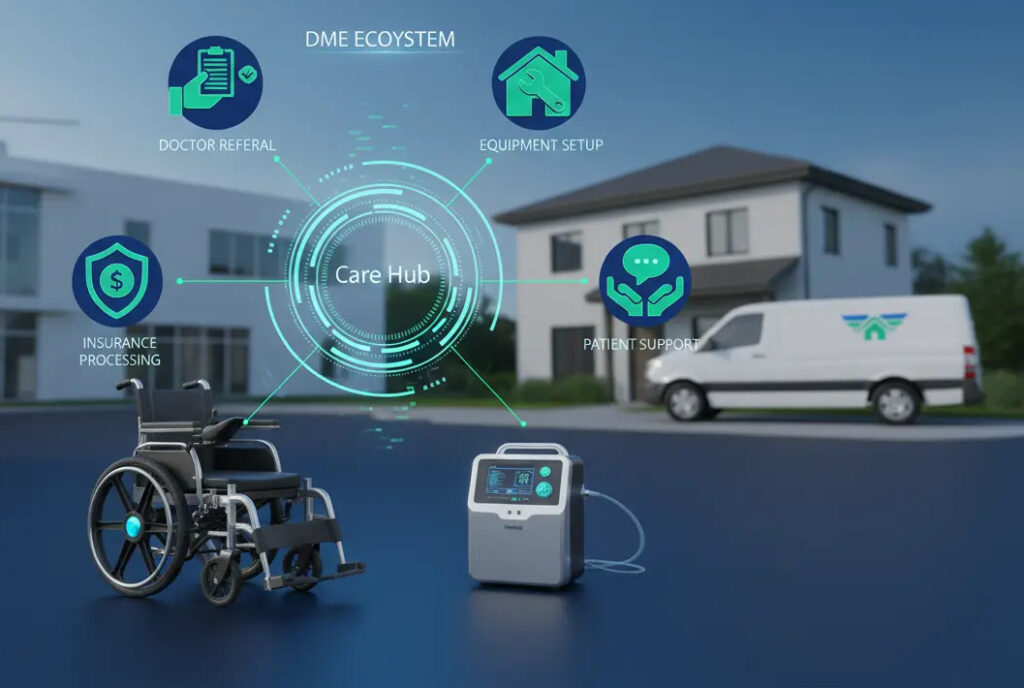
A DME company supplies medically prescribed equipment to patients for use at home. The company works closely with doctors, clinics, hospitals, and insurance providers.
These businesses ensure patients receive safe equipment that meets healthcare standards. They also help patients understand how to use the devices correctly.
The company acts as a bridge between healthcare providers and patients. Doctors recommend equipment. Suppliers deliver it. Insurance companies review the claim for payment.
This process allows patients to continue treatment outside medical facilities.
How the DME Supply Process Works
The process usually begins with a healthcare provider. A doctor examines the patient and determines if medical equipment is necessary.
Once the doctor writes a prescription, the patient or clinic sends the order to a DME supplier.
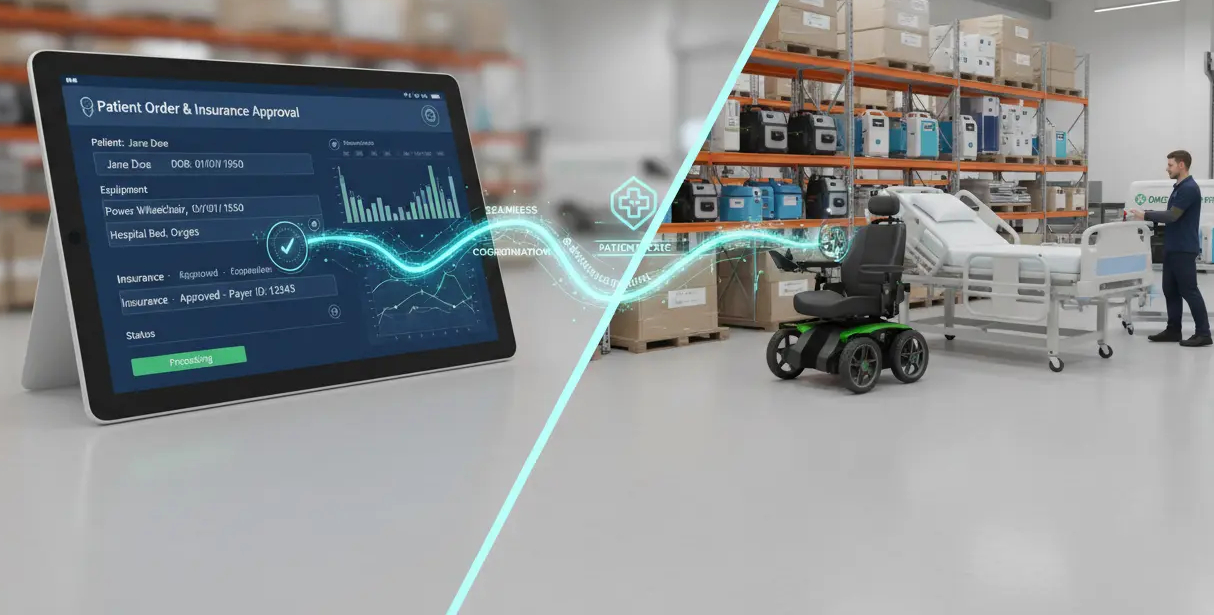
The supplier reviews the prescription and verifies insurance coverage. The company also confirms the patient’s eligibility for the equipment.
After approval, the supplier prepares the device for delivery. Trained staff may visit the patient’s home to install or adjust the equipment.
The team explains how the device works and how to maintain it safely.
Many companies also schedule follow up support. This helps patients solve problems and maintain proper equipment use.
Types of Equipment Provided by DME Suppliers
DME companies supply a wide range of equipment depending on patient needs. Some devices support mobility. Others assist breathing or recovery.
Mobility equipment helps patients move safely inside and outside their homes. These products include wheelchairs, walkers, and mobility scooters.
Respiratory equipment supports patients who have breathing conditions. Oxygen concentrators, CPAP machines, and nebulizers belong to this category.
Hospital beds and adjustable mattresses provide comfort for patients recovering at home. These beds allow caregivers to manage patient care more easily.
Bathroom safety equipment also plays an important role. Shower chairs and grab bars reduce the risk of injury.
Many suppliers also offer braces, diabetic testing supplies, and rehabilitation equipment.
Why DME Companies Matter in Healthcare
Home based care continues to grow worldwide. Hospitals now discharge patients earlier than before. Many treatments continue outside clinical settings.
Medical equipment suppliers make this possible. They provide the tools patients need for safe recovery.
Without these suppliers, many patients would need extended hospital stays. That would increase healthcare costs and reduce hospital capacity.
Reliable equipment also improves quality of life. Patients gain independence and confidence while managing their condition.
Families and caregivers benefit from proper medical tools that simplify daily care tasks.
Insurance and Billing in the DME Industry
Insurance coverage plays a major role in this industry. Many patients rely on government programs or private insurance for equipment costs.
Insurance providers review the doctor’s prescription and medical necessity documentation.
The supplier submits claims to the insurance company after delivering the equipment.
Accurate documentation remains essential during this process. Missing records can delay payment or cause claim denial.
Many suppliers maintain trained billing staff who understand healthcare reimbursement rules.
This system ensures suppliers receive payment while patients access necessary equipment.
Compliance and Regulations for DME Companies
Healthcare industries follow strict regulations. Medical equipment suppliers must meet quality and safety standards.
Government agencies and accreditation organizations review supplier operations. These reviews confirm that the company follows healthcare guidelines.
Suppliers must maintain clear documentation for prescriptions, equipment delivery, and patient communication.
Privacy protection also plays a key role. Companies must protect patient health information.
Regular audits help ensure suppliers continue meeting required standards.
Businesses that fail to follow regulations risk losing licenses or insurance contracts.
Building Relationships with Healthcare Providers
Strong relationships with doctors and clinics help DME suppliers grow.
Healthcare providers recommend suppliers they trust. Reliable service strengthens these partnerships.
Fast equipment delivery improves patient experience. Clear communication also builds professional confidence.
Many suppliers regularly visit clinics and rehabilitation centers to introduce their services.
Healthcare providers often prefer working with suppliers who provide dependable support.
These relationships become a major source of patient referrals.
Technology in Modern DME Operations
Technology continues to transform healthcare services. DME suppliers also benefit from digital systems.
Inventory management software helps track equipment availability. These systems reduce delivery delays.
Electronic billing platforms simplify insurance claim submissions. Automated systems also reduce administrative errors.
Some companies offer remote monitoring tools for respiratory devices. These tools allow healthcare providers to review patient data.
Technology improves efficiency and supports better patient care.
Starting a DME Business
Entrepreneurs often explore healthcare supply businesses due to rising demand for home care services.
Understanding regulations and industry structure is essential before launching a company.
New suppliers must register a legal business entity and obtain required licenses.
Accreditation may also be required before working with insurance providers.
Inventory planning, billing systems, and supplier partnerships also form the foundation of operations.
Many new owners start with limited product categories and expand later.
Entrepreneurs researching healthcare opportunities often ask the same question. What is a DME Company and how does this business operate in the real world?
Learning the structure of the industry helps new businesses avoid compliance mistakes.
Challenges in the DME Industry
Running a medical equipment supply business requires careful organization.
Regulatory requirements demand strict documentation and quality control.
Insurance claim delays can affect business cash flow.
Inventory management also requires attention. Equipment must remain clean, safe, and ready for delivery.
Customer support represents another major responsibility. Patients often need guidance while using medical equipment.
Companies that provide reliable support usually build strong reputations.
The Future of Home Medical Equipment Services
Healthcare trends show a clear shift toward home based treatment. Aging populations increase demand for medical support devices.
Patients prefer recovering in familiar environments rather than extended hospital stays.
Technology continues improving equipment design and patient monitoring.
These changes create long term opportunities for equipment suppliers.
People researching healthcare services still begin with one question. What is a DME Company and why does it matter in modern healthcare?
The answer reflects an essential part of patient support systems.
Final Thoughts
Medical equipment suppliers play a critical role in healthcare delivery. They help patients receive treatment tools outside hospitals.
These businesses coordinate with doctors, insurance providers, and caregivers to ensure proper equipment access.
Reliable service improves recovery outcomes and supports patient independence.
Understanding how this industry works helps patients make informed decisions and helps entrepreneurs explore new healthcare opportunities.
The growing demand for home care ensures this sector will remain an important part of modern healthcare systems.