
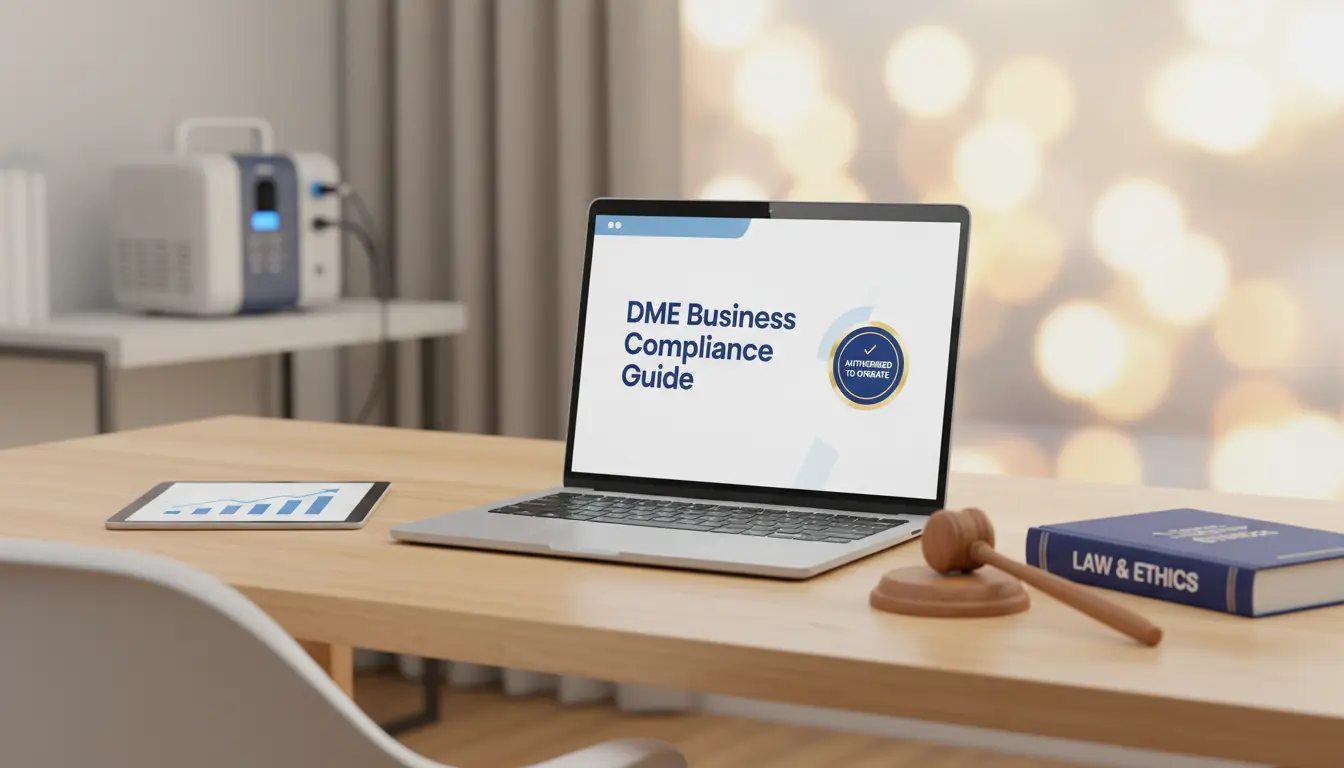
A spare room can become the control center of a healthcare supply business. Many entrepreneurs start with a desk, a laptop, and strong determination. Durable medical equipment suppliers often begin small. Large warehouses and big teams usually come later.
Interest in home based healthcare businesses continues to rise. Aging populations increase demand for mobility and recovery equipment. Patients prefer treatment and recovery inside their homes. That demand creates real opportunities for new suppliers.
Many entrepreneurs ask a simple question before starting. Can you legally run a durable medical equipment company from home?
The answer depends on preparation, compliance rules, and local regulations. Some suppliers manage operations from a home office while using external storage facilities. Others begin with small equipment inventories and expand later.
Understanding the industry and its legal structure helps prevent expensive mistakes. This guide explains how the business works, what rules apply, and whether a home based model makes sense.
Understanding the Durable Medical Equipment Industry
Durable medical equipment refers to devices that support patients during recovery or long term care. Doctors prescribe these items for home use. Patients depend on them for mobility, breathing assistance, and daily support.
Common examples include wheelchairs, walkers, oxygen concentrators, hospital beds, CPAP machines, and mobility scooters.
These products play an important role in patient care. Because of that, regulators closely monitor the industry.
Suppliers must follow strict documentation and safety requirements. Insurance providers also enforce detailed billing rules. Businesses must maintain accurate records for equipment delivery and prescriptions.
Despite these responsibilities, the industry offers strong business potential. Demand continues to grow as healthcare systems shift toward home based treatment.
Can You Start a DME Business from Home?
Many entrepreneurs explore ways to Start DME Business from Home because startup costs remain lower. Renting a commercial office increases expenses during the early stage.
A home office can support administrative tasks such as billing, patient intake, scheduling, and supplier communication.
Local regulations often allow administrative work from residential addresses. Yet equipment storage rules vary between cities and states.
Large equipment such as hospital beds or oxygen tanks may require dedicated storage facilities. Regulators may also require inspection of storage areas.
Many suppliers solve this challenge by using third party warehouses. The home office manages operations while inventory remains in compliant storage facilities.
This structure allows new businesses to operate efficiently while limiting overhead costs.
Legal Requirements Before Launch
Legal preparation forms the foundation of a successful DME company. Healthcare supply businesses operate under strict regulations.
Most entrepreneurs begin by registering a legal business entity. Many choose a limited liability company structure to protect personal assets.
After registration, businesses obtain a federal tax identification number. This number allows the company to operate legally and open business bank accounts.
Suppliers must also apply for state level licenses required for medical equipment providers.
Accreditation represents another important step.
Accreditation proves the supplier meets healthcare quality standards. Many insurance providers require accredited suppliers before approving contracts.
Businesses must also complete enrollment with healthcare payers. These include government programs and private insurance providers.
Each payer reviews supplier credentials before allowing claim submissions.
Zoning Rules and Home Office Considerations
Local zoning laws determine whether businesses can operate from residential properties.
Many cities allow administrative work from home offices. Yet they may restrict inventory storage or frequent deliveries.
Medical equipment businesses must also maintain safe storage environments. Equipment must remain clean, organized, and protected from damage.
Home offices should maintain clear separation between personal space and business operations.
Regulators may inspect storage areas during licensing reviews. Organized workspaces improve compliance and professionalism.
Entrepreneurs should review local zoning policies before launching operations.
Accreditation and Compliance Responsibilities
Compliance plays a central role in durable medical equipment businesses. Suppliers must follow strict standards designed to protect patients.
Accreditation organizations evaluate supplier policies, service procedures, and documentation systems.
These reviews confirm that suppliers follow healthcare best practices. They also ensure patients receive safe equipment and proper instructions.
Businesses must maintain written policies covering patient privacy, equipment maintenance, and complaint management.
Regular internal reviews help identify documentation gaps or process errors.
Strong compliance habits reduce audit risks and maintain supplier credibility.
Inventory and Equipment Management
Equipment quality influences patient trust and business reputation.
Suppliers often partner with certified manufacturers and distributors. These relationships ensure access to reliable equipment that meets safety standards.
Inventory planning requires careful attention. Some businesses start with limited product categories. Mobility aids and respiratory devices often represent strong starting points.
Tracking systems help suppliers monitor equipment availability and delivery schedules.
Proper inventory management reduces delivery delays and improves patient satisfaction.
Billing and Insurance Processes
Insurance reimbursement represents a major revenue source for many suppliers.
Accurate billing depends on correct documentation and prescription verification.
Claims must include patient records, physician orders, and equipment delivery confirmation.
Small errors can cause claim denial or delayed payment.
Many businesses invest in billing training for staff members. Some companies work with billing specialists who understand healthcare reimbursement systems.
Strong billing systems help maintain stable cash flow and reduce administrative stress.
Building Relationships with Healthcare Providers
Doctors and healthcare professionals influence patient referrals.
Many suppliers build partnerships with clinics, hospitals, and rehabilitation centers.
Healthcare providers recommend suppliers they trust. Reliable service strengthens those relationships.
Clear communication and fast delivery improve patient experience. These qualities encourage providers to continue recommending the supplier.
Local healthcare networks often become the main source of new patients.
Marketing a New DME Business
Visibility helps new suppliers reach patients and healthcare professionals.
A professional website introduces the company and explains available equipment.
Educational articles help patients understand how medical equipment supports recovery.
Local outreach also supports business growth. Visiting clinics and introducing services helps build professional relationships.
Some suppliers participate in community health events. These events allow direct interaction with potential patients and caregivers.
Simple marketing efforts can build trust and recognition within the healthcare community.
Challenges of Running a Home Based DME Business
Home based suppliers face several operational challenges.
Regulatory compliance requires continuous attention. Rules change frequently across healthcare programs.
Inventory growth may require larger storage facilities. Businesses often move inventory outside the home as they expand.
Administrative work also demands significant time. Billing, documentation, and communication require daily focus.
Entrepreneurs must maintain strong organization and discipline.
Despite these challenges, careful planning helps maintain smooth operations.

Growth Potential in the DME Industry
Healthcare trends continue shifting toward home recovery and long term care support.
Patients prefer treatment environments that provide comfort and independence.
This trend increases demand for reliable equipment suppliers.
Entrepreneurs who start DME businesses from Home often expand into larger operations after building steady revenue.
Some businesses specialize in respiratory equipment or mobility products.
Others expand into full-service healthcare supply operations with delivery teams and service technicians.
Strong systems built during the early stages support smooth expansion later.
Is Starting from Home a Smart Strategy?
Launching from home can reduce financial pressure during the early business stage.
Entrepreneurs can focus on building systems, partnerships, and patient relationships.
A home office supports administrative functions without large commercial rent costs.
However, owners must still meet licensing, compliance, and storage regulations.
Entrepreneurs who Start DME Business from Home must plan carefully before launching operations.
Clear documentation systems and organized workflows support long term stability.
Final Thoughts
Durable medical equipment suppliers play an essential role in modern healthcare. Patients depend on these businesses for safe equipment and reliable service.
Starting small does not limit future growth. Many successful suppliers began with modest resources and strong planning.
Entrepreneurs can Start DME Business from Home if they follow legal requirements and maintain proper operational systems.
A disciplined approach helps avoid compliance problems and billing errors.
Healthcare demand will continue growing as populations age and home care becomes more common.
Well prepared entrepreneurs can build sustainable businesses while improving patient care.